Web Development vs App Development: What to Build First
Web development vs app development compared: what websites, web apps and mobile apps are best at, cost differences and five questions to decide.

Should your business invest in a website, a web app or a mobile app? Web development vs app development is one of the most common questions in web & app development, and the wrong answer can waste months and a large part of your budget. This guide compares the options side by side and gives a simple way to decide.
The short answer
For most growing businesses, start with the web. Build a fast website to win customers, then a web app if your team or customers need to get work done online. Add a mobile app when people will use it often and need phone features. There are exceptions, and they are covered below.
What each option is best at
Website
A website is your public storefront. Its job is to be found on Google, explain what you do, prove you can do it and turn visitors into inquiries.
- Best for: leads, credibility, SEO, content.
- Strengths: works on every device, quick to launch, easy to share.
- Limits: not built for repeated, logged-in tasks.
Web app
A web app runs in the browser but behaves like software: logins, dashboards, forms that save data, approvals and reports.
- Best for: internal tools, customer portals, bookings, quotations, tracking.
- Strengths: one version for every device, instant updates, no app store approval.
- Limits: limited access to some phone features, and no home screen presence unless installed as a progressive web app.
Mobile app
A mobile app is installed from the App Store or Google Play and lives on the user's home screen.
- Best for: products people open often, such as loyalty, ordering, field work and on-the-go tools.
- Strengths: push notifications, camera, GPS, offline use, a habit-forming home screen icon.
- Limits: two platforms to build and test, store review, users must download and update it.
Web development vs app development, side by side
- Time to launch: website fastest, web app medium, mobile app slowest.
- Cost: website lowest, mobile app usually highest. See web & app development cost for ranges.
- Found on Google: website yes, web app partly, mobile app no (only in app stores).
- Updates: web instantly; mobile apps need a new release and user updates.
- Phone features: mobile app strongest.
- Repeat use: mobile app strongest, web app good.
Budget and maintenance differences
The build is only the first bill. A website or web app is maintained in one place: one codebase, one hosting account, updates that reach every user the moment you publish them. A mobile app adds two app store accounts, regular updates for new iOS and Android versions, store review for every release, and users running older versions you still have to support. Over three years, that difference in running cost is often larger than the difference in build cost, so include it when you compare web development vs app development.
Five questions to decide
- Is your main goal new customers or serving existing ones? New customers point to a website. Serving existing ones points to a web app or mobile app.
- How often will people use it? A few times a year suits the web. Several times a week makes a mobile app worth it.
- Do you need phone features? Push notifications, camera scanning, location or offline mode lean towards mobile.
- Who are the users? Internal staff on laptops are well served by a web app. Field teams and consumers on phones may need mobile.
- What is your budget and timeline? If you need results in weeks, start on the web.
The common path: web first, then mobile
Many successful products start as a website and web app, prove that customers use the workflow, and only then add a mobile app that talks to the same back end. This avoids paying twice for features nobody uses. Our web & app development process is built around this phased approach.
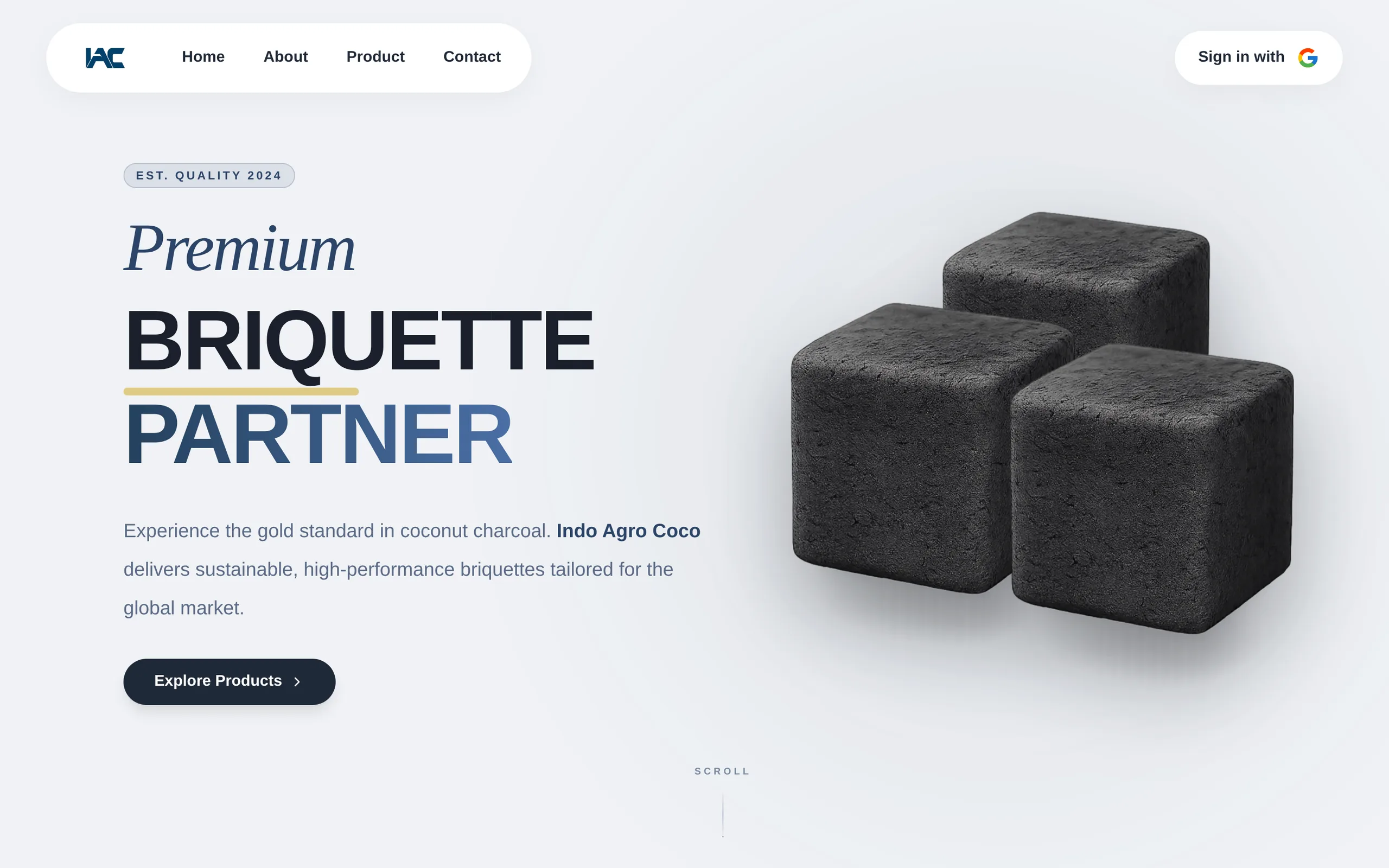
A good example is Indo Agro Coco. A website alone could not solve its real problem, which was buyers and staff chasing shipment status. A web-based tracking portal did, without the cost of a mobile app, and cut the time spent on status updates by around 70%.
When to go mobile first
- Your product is used daily, such as ordering, loyalty or a field service tool.
- It depends on the camera, GPS or offline use.
- Your competitors already have apps and customers expect one.
Even then, you will still need a website to be found and an admin panel to manage content, so plan for both. Our guide to mobile app development in Indonesia covers native vs cross-platform, timelines and costs.
Do not forget performance and SEO
Whichever route you choose, speed matters. Slow websites lose visitors and rankings, and slow apps get uninstalled. Our website performance optimization guide shows what to fix first.
FAQ
Can one product be both a web app and a mobile app?
Yes. Many teams build one back end with a web front end and a mobile app on top. Cross-platform tools also let one codebase serve iOS and Android.
Is a progressive web app (PWA) a good middle ground?
Often. A progressive web app can be installed on the home screen and work partly offline, with lower cost than native apps. It is weaker for some phone features and app store visibility.
Should a small business build a mobile app?
Only if customers will use it often. For most small businesses, a fast website, a WhatsApp AI chatbot and a simple web app deliver more value for the money.
Not sure which to build?
Read our full web & app development guide, or tell GOTEN about your goal and we will recommend the right starting point. Or see our web & app development services.